
Sunflower pellet as fuel: calorific value, ash, logistics
4 November 2026
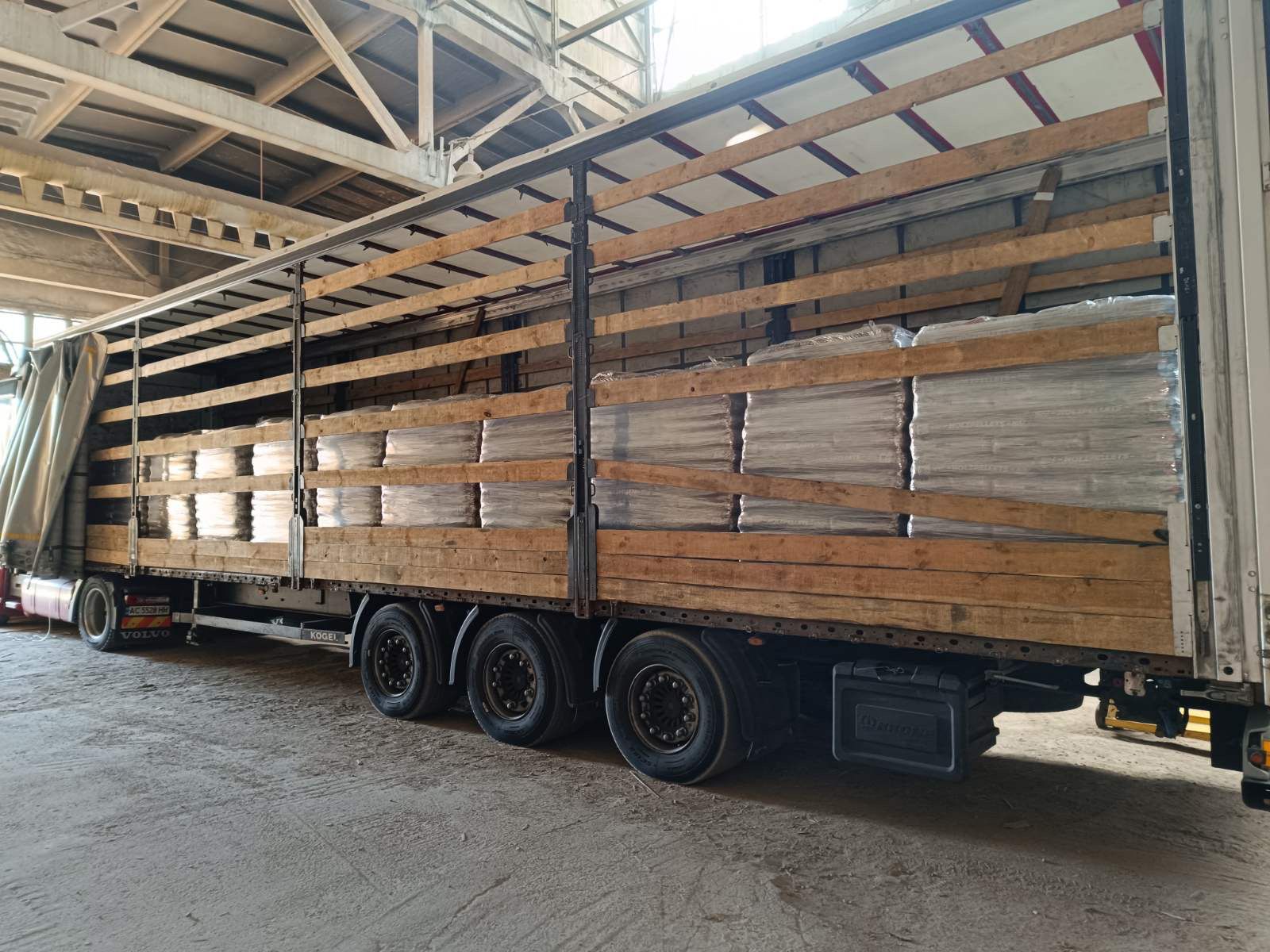
Sunflower pellet is gaining importance as energy biomass — particularly where traditional wood pellets are more expensive or difficult to access. We examine what buyers and energy producers should know before purchasing.
What is sunflower pellet?
Sunflower pellet is produced from sunflower husks — a byproduct of oil pressing or meal production. The husk is pressed under high pressure without the addition of binders. The final product is in the form of cylindrical granules, typically 6–8 mm in diameter and up to 30 mm in length.
Unlike wood pellet, sunflower husk contains significantly more mineral compounds, which directly affects combustion parameters.
Calorific value
The calorific value of sunflower pellet in working condition is typically 15–17 MJ/kg, at moisture content of 10–12%. By comparison: good A1-class wood pellet achieves 16–18 MJ/kg. The difference is thus minimal, but it exists.
Key parameters that the buyer should require in the specification:
- Moisture content – not higher than 10–12%
- Calorific value – confirmed by laboratory test, expressed in MJ/kg
- Bulk density – typically 550–650 kg/m³, affects transport costs
- Mechanical durability – percentage of granules unbroken after testing; important during bulk transport
Ash content — the main difference
This is the point where sunflower pellet clearly differs from wood pellet. Ash content in sunflower husk is typically 4–8%, while A1-class wood pellet must be below 0.7%.
High ash content means:
- More frequent cleaning of boiler and grate
- Risk of ash sintering (slagging) at high combustion temperatures
- Need to use boilers designed for agro-biomass or grate-type boilers with automatic ash removal
Before purchasing, check whether your heating or energy installation allows fuel with such ash content. Many boiler manufacturers specify the upper ash limit in technical documentation.
Logistics and storage
Sunflower pellet originates mainly from Ukraine and Black Sea countries, which fits into supply chains served by companies such as ARIA 3A. Typical forms of transport include:
- Big-bag (approx. 500–1000 kg) — convenient for smaller batches, easy to warehouse
- Bulk in silo tankers – economical for large volumes, requires a silo at the recipient's facility
- Containers or rail wagons – for deliveries by rail from Ukraine
When storing, ensure a dry hall or covered silo, as pellet is sensitive to moisture. Humidity above 15% causes granule crumbling and significant loss of calorific value.
For whom is sunflower pellet?
This solution is primarily for:
- Industrial plants and district heating companies with agro-biomass boilers
- Energy producers seeking a cheaper alternative to wood pellet
- Recipients near ports or terminals with direct access to deliveries from across the eastern border
Check our product catalog or submit a price inquiry if you are looking for sunflower pellet in regular deliveries.
Fill in the form — we reply within 24 hours.
Request a quote📬 Weekly market report
Our price quotes and the week in review — grains, meals, oils, fertilisers. No counterparty names.