
Incoterms in agricultural trade: FCA, DAP, DDP — who pays for what and where does risk transfer
15 October 2026
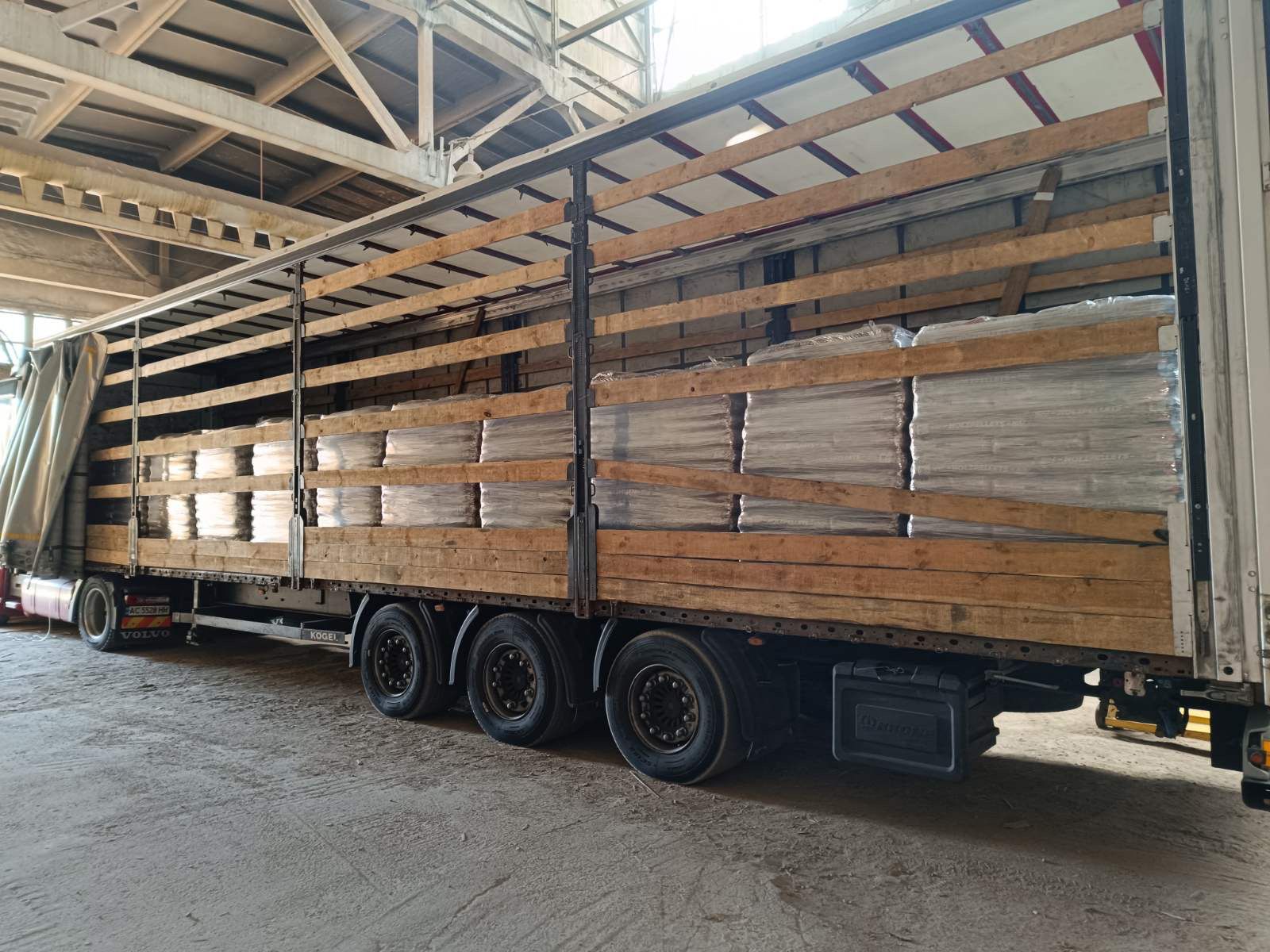
Choosing an Incoterms formula is not a formality — it is a decision that directly affects transaction costs, liability for the goods, and the allocation of risk between buyer and seller. In the trade of grains, feed materials, and fertilisers, three formulas dominate: FCA, DAP, and DDP.
Why Incoterms matter specifically in agricultural trade
In the trade of agricultural commodities — wheat, maize, soybean meal, rapeseed oil, or fertilisers — freight is one of the key components of price. Freight costs, insurance, customs clearance, phytosanitary border inspections — each of these costs must be borne by someone. Incoterms formulas (International Commercial Terms, current version: 2020) clearly define where the seller's responsibility ends and the buyer's responsibility begins.
Failing to specify delivery terms precisely in a contract leads to disputes, delays, and often real financial losses.
---
FCA — Free Carrier
Risk transfers: at the moment the goods are handed over to the first carrier designated by the buyer, at the agreed place.
Who pays for what:
- Seller: loading at their own warehouse/silo, export customs clearance, export documentation
- Buyer: main freight, cargo insurance, import customs clearance, delivery to the final destination
In practice: You are purchasing wheat from a silo in Ukraine or Poland — the seller delivers the goods to a terminal or onto a truck that you arrange yourself. From that moment, any damage, delays, and costs are your responsibility.
When to use FCA: when you have your own freight forwarders, negotiate freight rates independently, and want full control over the supply chain. With large volumes — e.g. purchasing several thousand tonnes of maize — self-organised transport often translates into real cost savings.
---
DAP — Delivered at Place
Risk transfers: at the moment the goods are placed at the buyer's disposal at the agreed destination, ready for unloading.
Who pays for what:
- Seller: full transport to the destination, insurance (though not formally required — it is in the seller's interest), export customs clearance
- Buyer: unloading, import customs clearance, import duties and taxes
In practice: You order sunflower meal or soybean cake with DAP delivery to your warehouse in Poland. The truck arrives, the goods are ready — you arrange unloading and settle the customs duties. This is a convenient formula for importers who do not want to be involved in logistics but wish to control border-related costs.
When to use DAP: when purchasing goods from outside the EU and you have your own customs agent. It works well for importing fertilisers (e.g. urea), sunflower oil, or soybean meal.
---
DDP — Delivered Duty Paid
Risk transfers: only when the goods have been delivered to the buyer's destination — following import customs clearance and with all duties paid.
Who pays for what:
- Seller: absolutely everything — freight, insurance, export and import customs clearance, duties, taxes, import VAT
- Buyer: unloading only
In practice: Maximum convenience for the buyer, maximum risk for the seller. In agricultural trade, DDP is used less frequently, primarily because sellers from outside the EU may encounter difficulties with VAT registration and handling customs clearance in the buyer's country.
When to use DDP: when purchasing from experienced exporters with their own logistics network in Europe, or when negotiating turnkey deliveries and lacking the resources to handle customs procedures.
---
The most common mistakes when selecting a formula
- Failure to specify the place precisely — "DAP Poland" is not sufficient. The contract should indicate a specific address or terminal.
- Confusing maritime and inland formulas — FOB and CIF apply to sea transport. For deliveries by truck or rail to Europe, use FCA, DAP, or DDP.
- Omitting insurance — under FCA and DAP, insurance is not mandatory for either party. The absence of a policy in the event of cargo damage (e.g. moisture-damaged wheat, spilled pellets) means a loss with no compensation.
- Failing to account for additional costs — under DDP, the seller must calculate anti-dumping duties, VAT, and other charges. Overlooking these destroys the margin.
---
Quick comparison
| | FCA | DAP | DDP | |---|---|---|---| | Main freight | Buyer | Seller | Seller | | Export customs clearance | Seller | Seller | Seller | | Import customs clearance | Buyer | Buyer | Seller | | Import duties | Buyer | Buyer | Seller | | Risk in transit | Buyer | Seller | Seller |
---
Selecting the appropriate Incoterms formula should result from an analysis of the specific transaction — volume, country of origin, availability of freight forwarders, and experience with customs procedures. In the grain and feed trade, a mistake in this choice can cost more than the price difference between competing offers.
If you are considering buying or selling grains, feed materials, or fertilisers and would like to discuss commercial terms — get in touch with us. We operate pragmatically.
Fill in the form — we reply within 24 hours.
Request a quote