
Rapeseed meal or rapeseed cake — which one to choose?
27 November 2026
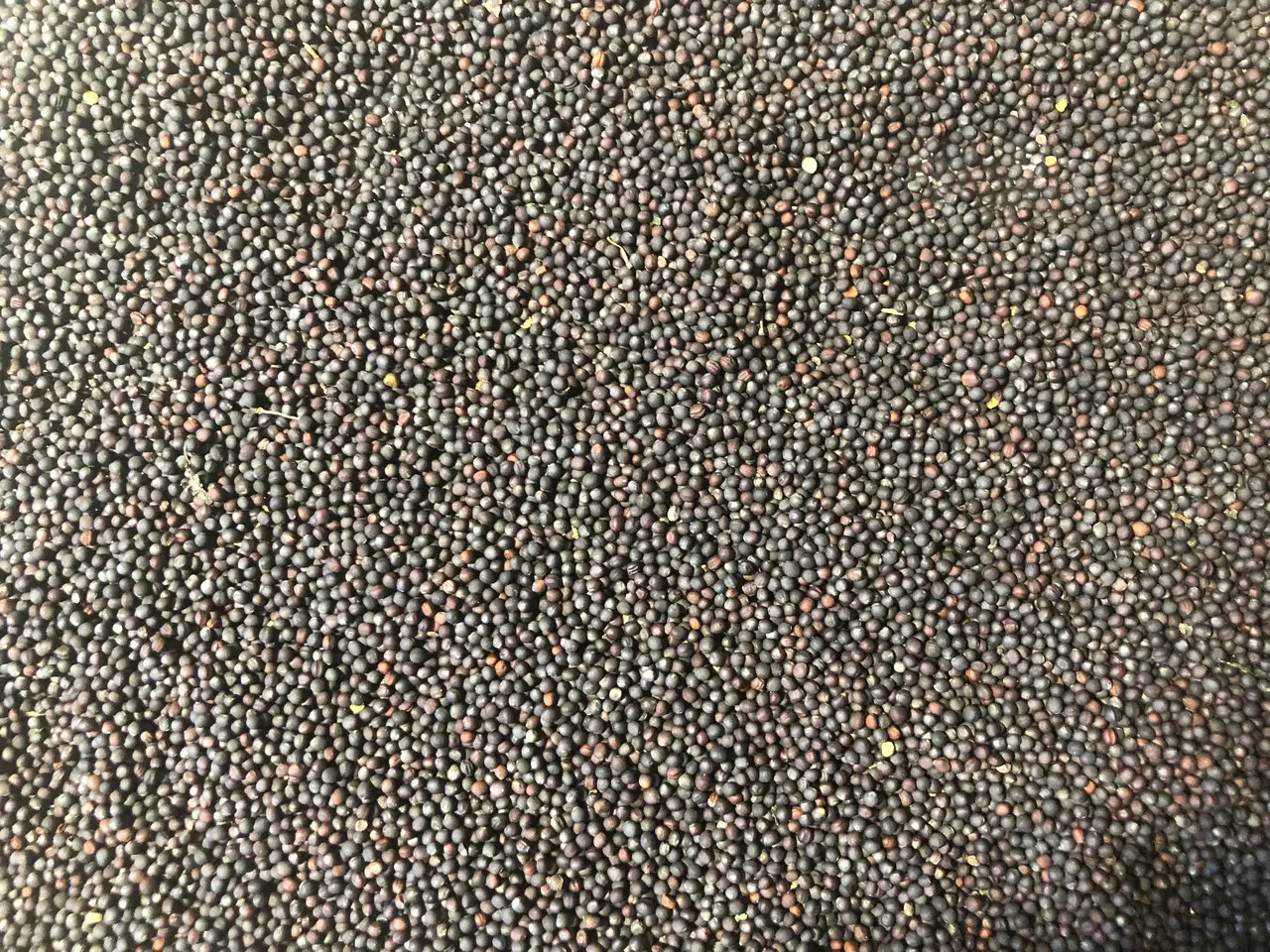
Both products are made from rapeseed, but they differ in fat content, protein, and energy value — and these differences determine which one is suitable for each feed formulation.
Where does the difference come from?
Rapeseed cake is a product of cold or hot pressing — oil is extracted mechanically, and the pressed solids retain between several and a dozen percent of crude fat. Rapeseed meal is produced after solvent extraction: fat is removed almost completely, so crude fat content drops below 3–4%, while protein and fiber make up a larger share of the dry matter.
Quality parameters — what to look for?
Rapeseed cake (pressed solids):
- Total protein in dry matter: typically in the range of 28–34%
- Crude fat: 8–16% (depending on pressing method)
- Crude fiber: 11–14%
- Energy value: noticeably higher than meal, similar to soybean cake
Rapeseed meal (post-extraction):
- Total protein in dry matter: typically 34–38%
- Crude fat: below 3–4%
- Crude fiber: 11–14%
- Energy value: lower, but amino acid profile more stable with standardized industrial production
In both cases, glucosinolate content is of key importance — applicable trade standards require its determination because high levels limit dosage, especially in poultry and swine.
Who should choose cake, who should choose meal?
Rapeseed cake works well in:
- rations for dairy and beef cattle, where the higher fat level supports feed energy without the need for additional protected fat
- mixes for sheep and goats
- small-scale production where local oil mills are available
Rapeseed meal is preferred in:
- industrial formulations for swine and poultry, where dietary fat is precisely balanced
- situations where the buyer pays for protein rather than energy from fat
- formulations where we want to avoid variability in fat parameters between batches
Practical notes for the buyer
- Always request a quality certificate showing protein, fat, moisture, and glucosinolate content.
- Compare protein on a dry matter basis — moisture between batches can vary by several percentage points.
- Check smell and color: dark, bitter meal may indicate overheating during extraction or poor storage conditions.
- In long-term contracts, it is worth establishing tolerance for fat in cake — differences between batches can reach several percentage points.
Summary
The choice between rapeseed cake and rapeseed meal is not a matter of product quality, but rather fit to the formula and animal species. Cake provides more energy from fat, meal provides more protein with lower fat calories. Both products have their place in animal nutrition, provided that you purchase from a reliable source and know the parameters of each batch.
We encourage you to explore our product catalog and submit a price inquiry.
Fill in the form — we reply within 24 hours.
Request a quote📬 Weekly market report
Our price quotes and the week in review — grains, meals, oils, fertilisers. No counterparty names.